Building an Accessible and Inclusive Joy Building for the Wirral Community
Dancefloor Intimacy was commissioned by Open Door Charity to consult on the design of Joy — a bold new wellbeing and cultural venue in the heart of Birkenhead.
Funded by £3.8 million through the Town Deal Investment Fund, and developed in partnership with Wirral Community Health and Care NHS Foundation Trust, Joy will transform the former Treasury Annexe into a vibrant hub for socialising, culture, and community services.
Our approach was community-led from the start. Through focus groups and a questionnaire, we worked directly with Disabled, Deaf, Neurodivergent, chronically ill, and visually impaired people — including those with hidden and learning disabilities — to understand the barriers they face in nightlife and cultural spaces, and to shape a venue built around their needs.
The result is a space designed with accessibility and inclusivity at its core: a welcoming green entrance, an art gallery, children's play areas, a live performance space, and a community hub that puts people first.
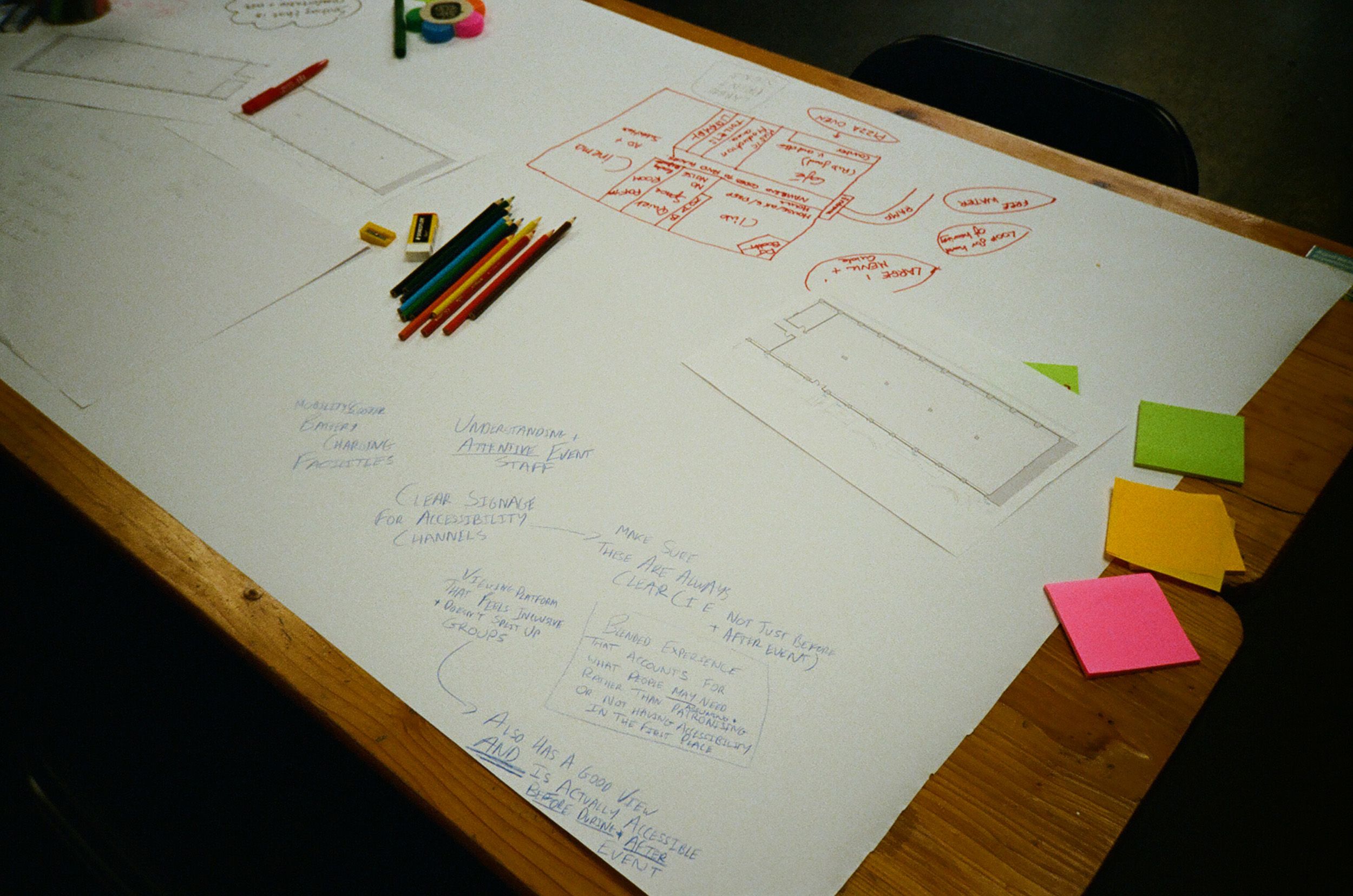
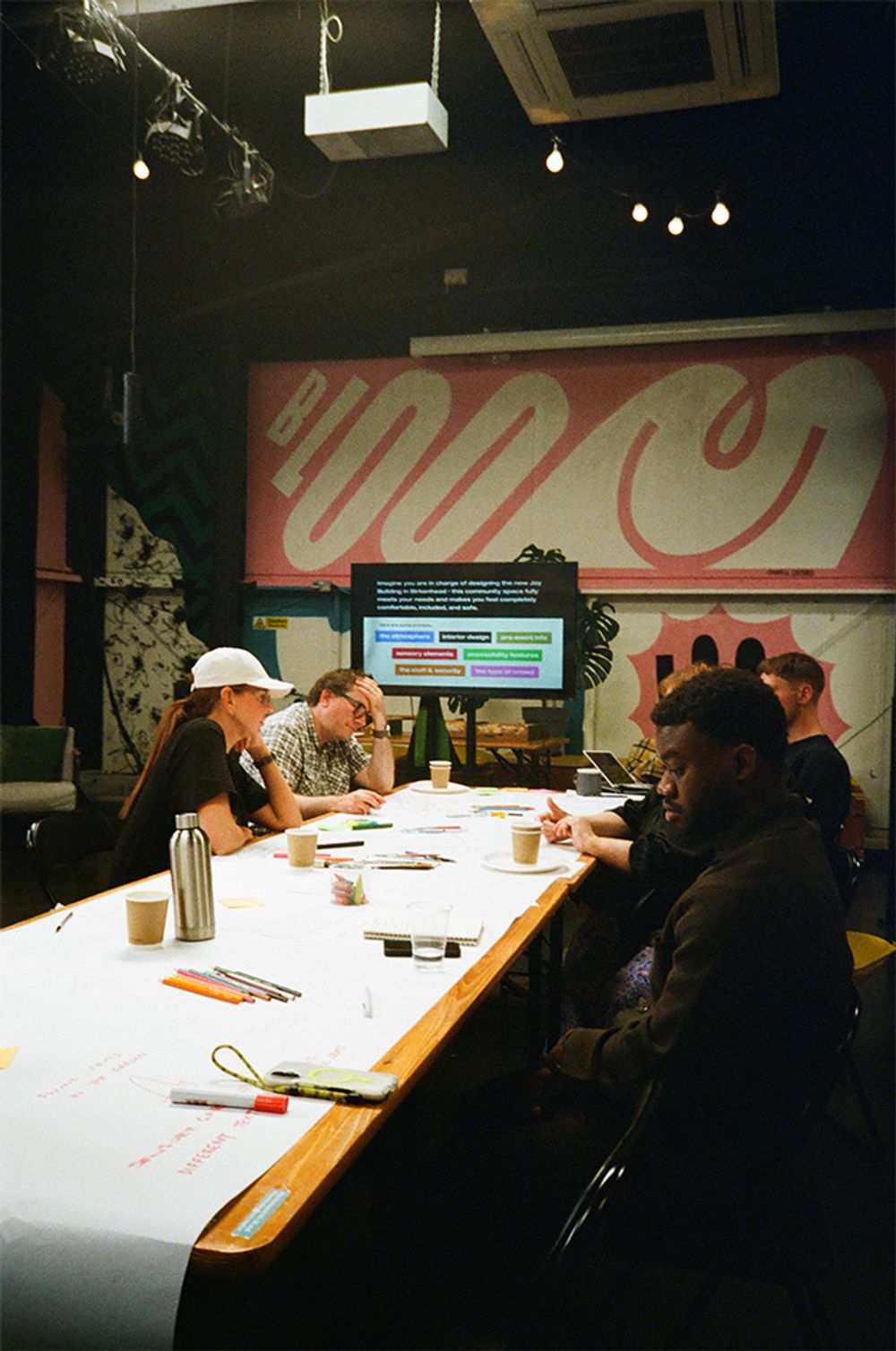
In late July 2025, Dancefloor Intimacy held three focus groups, two in person at Bloom Building and one online, with members of Open Door Charity and the wider Wirral community who identify as Disabled, Neurodivergent, Deaf, Blind, or chronically ill. A total of 23 participants took part in the focus groups, sharing their experiences of music and cultural venues, the barriers they encounter, and the factors that help them feel welcome and included. In addition, a further 10 people contributed by completing an online questionnaire. The insights from this research have been distilled into clear, actionable recommendations. The aim is to equip Open Door Charity with the tools to ensure Joy becomes a welcoming, safe, and inclusive environment, not only meeting access requirements but also building a culture of care, creativity, and belonging.
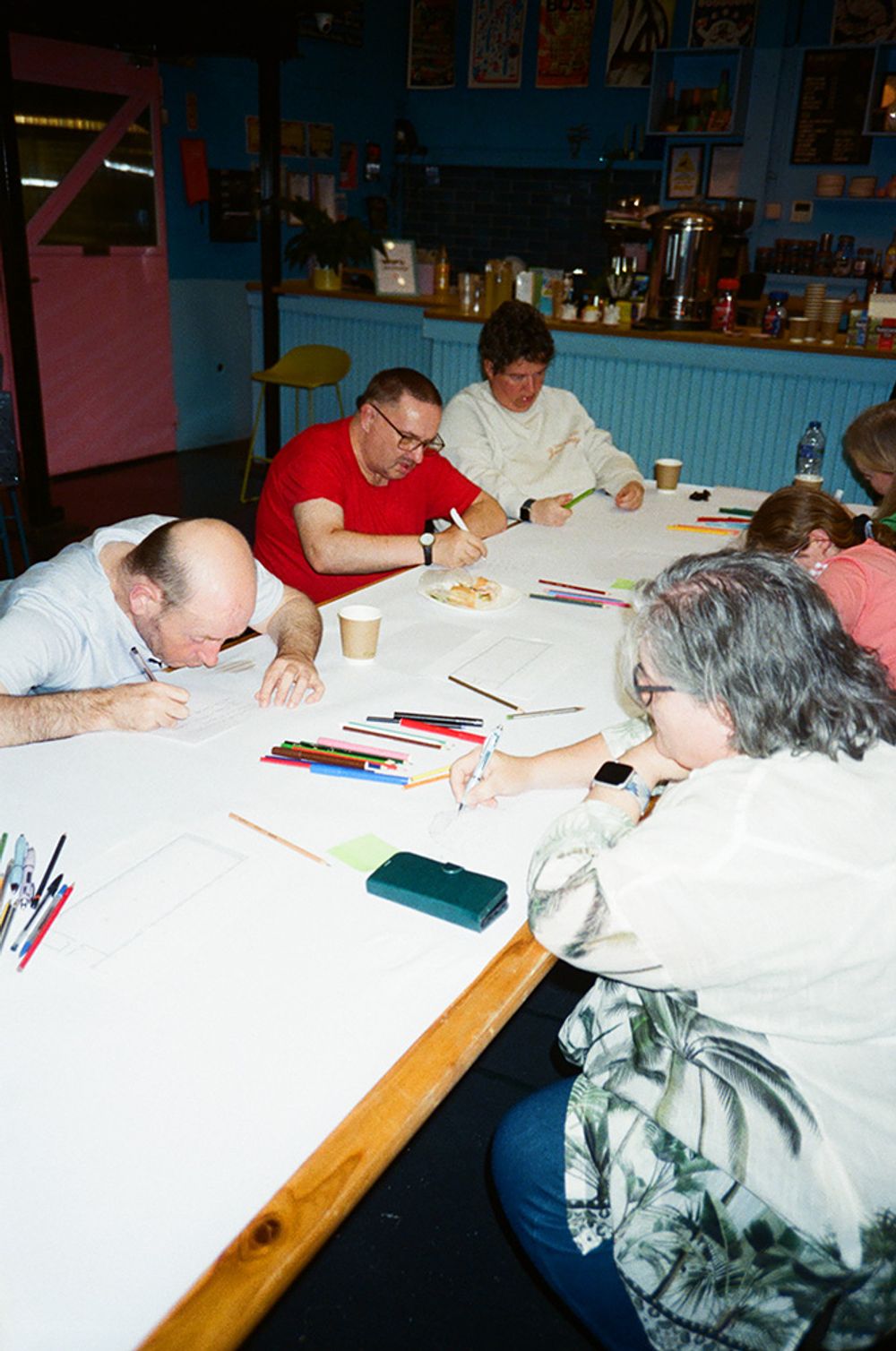
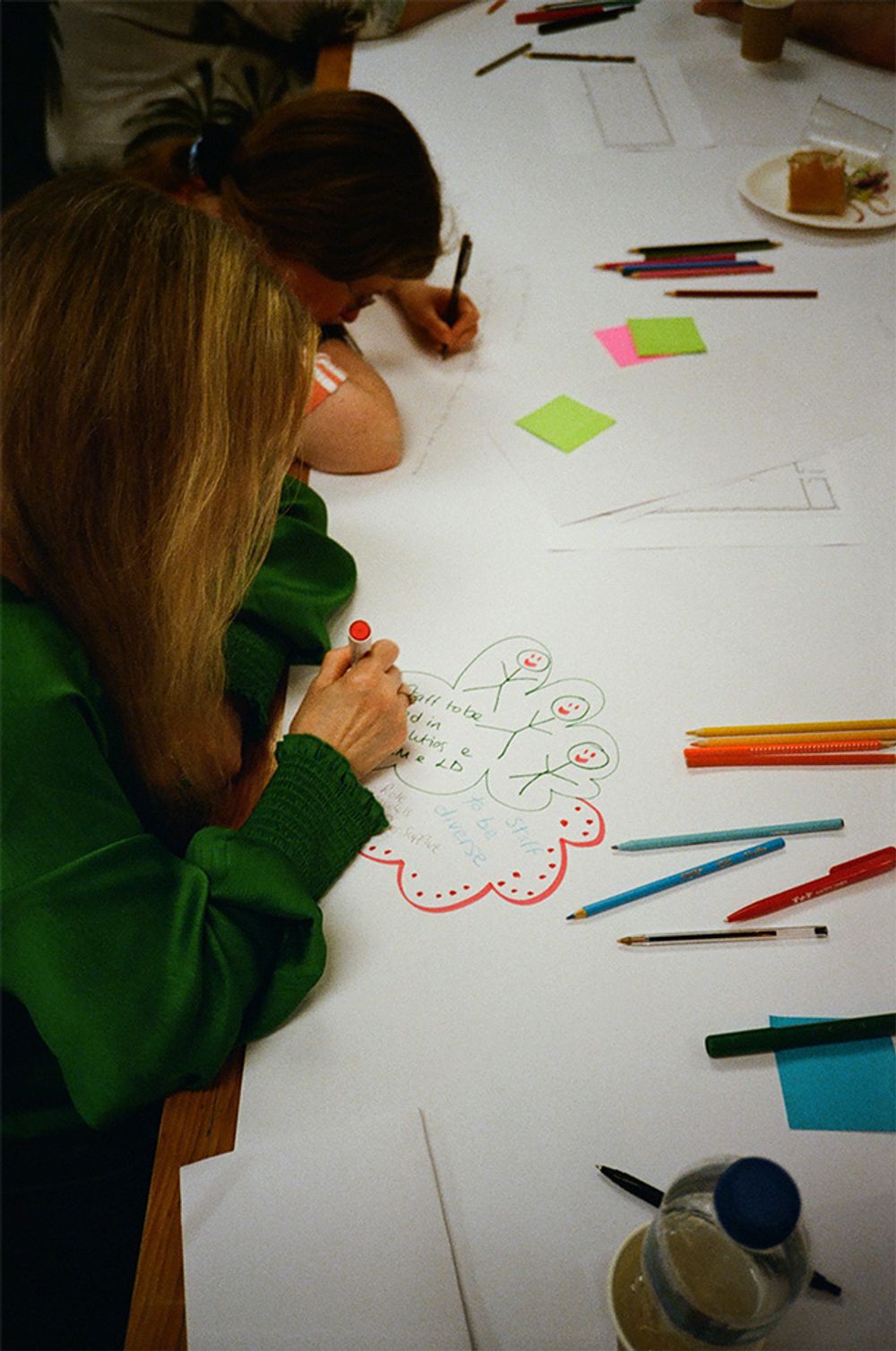
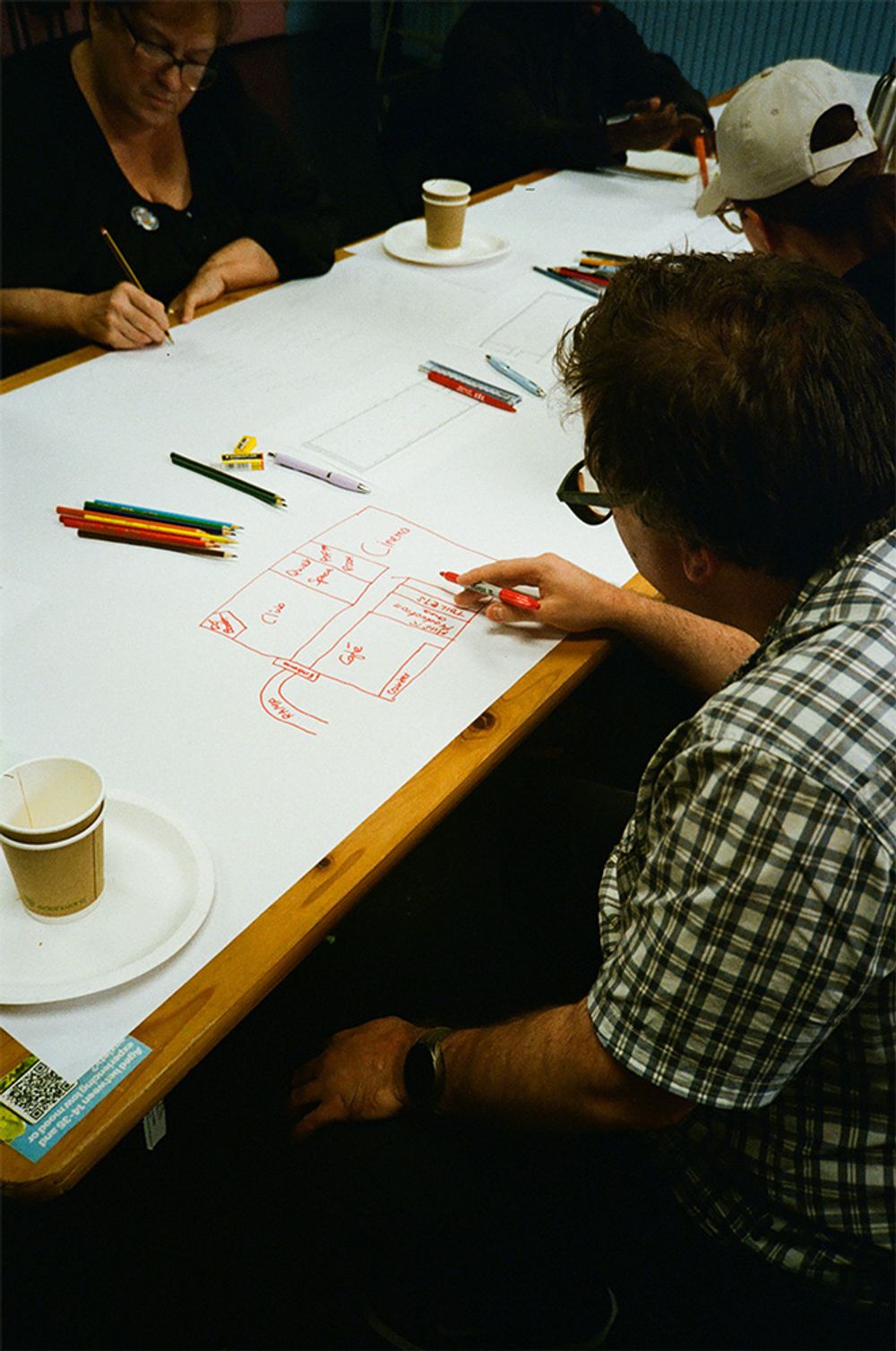
The recommendations were outlined in a report that covers every dimension of what makes a venue truly accessible and inclusive. From the physical design of the building — its layout, toilets, rest areas, and transport links — to the sensory environment, staffing practices, food and drink provision, and community programming, each section is grounded in real insight gathered directly from the community. It also explores how clear communication, assistive technology, and inclusive ticketing can help people plan and enjoy events with confidence. At its heart is a chapter dedicated to the community's own vision for Joy: what a utopian, accessible venue looks and feels like, in their own words
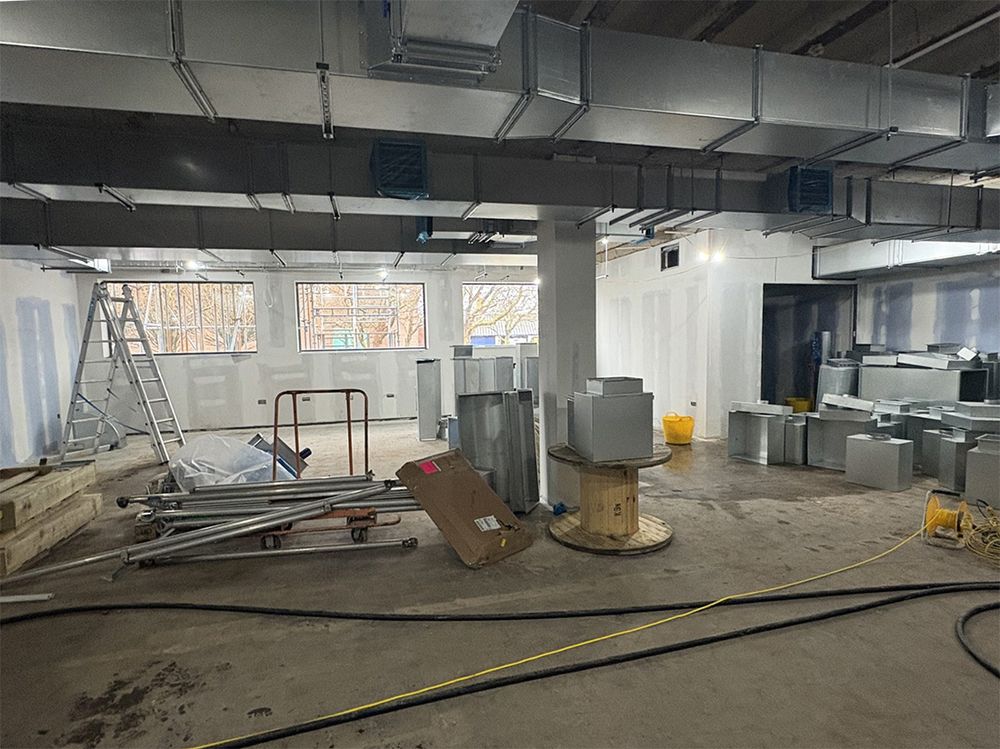
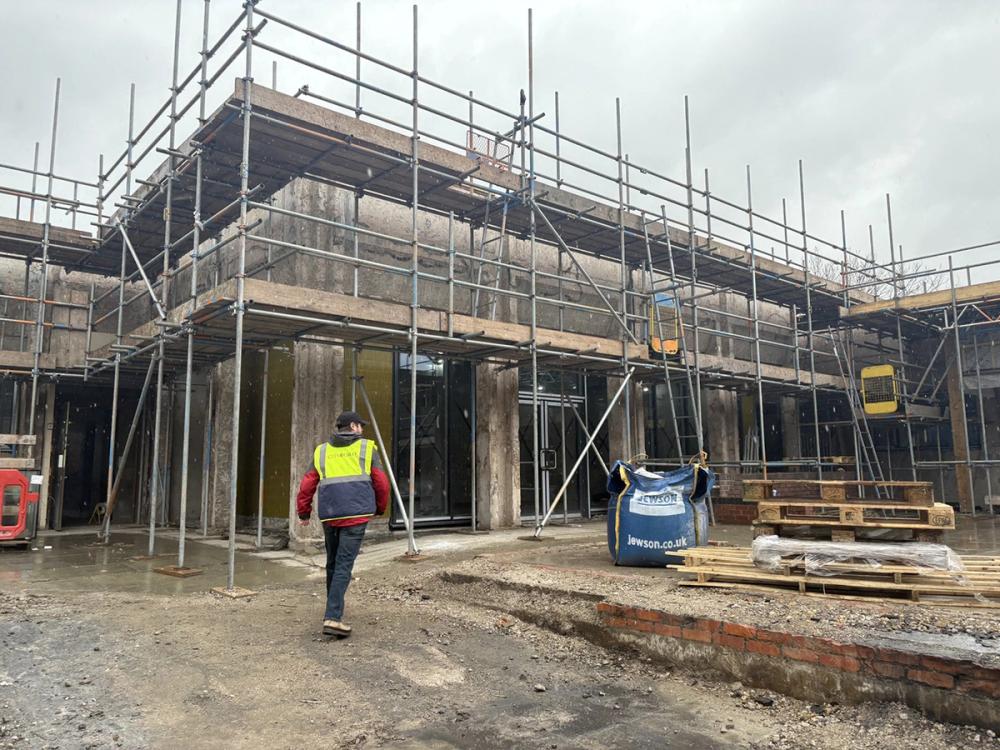
The Joy Building, located in the former treasury building and currently in full redevelopment (set to finish renovated in Autum 2026), stands at a particularly exciting moment. By considering access from the earliest stages, before renovation begins, Joy has a rare opportunity to embed accessibility into its foundations in its architecture, operations, and culture. Many cultural venues occupy old industrial or peripheral spaces that were not originally designed for public use, and only turn their attention to access later. Joy is setting a different precedent by prioritising accessibility from the start. This ensures it is not an afterthought, but a defining principle. This approach sets a new standard for venue development and demonstrates a meaningful commitment to a future where cultural participation is equitable, inclusive, and welcoming to all.